
Summary
Custom manufacturing plays a crucial role in the oil and gas industry by providing tailor-made solutions that address unique operational challenges. This blog explores how custom parts enhance durability, reduce downtime and help operators overcome issues like obsolete components or harsh environments. By partnering with experienced manufacturers, oil and gas companies can ensure greater efficiency, reliability and long-term success in even the most demanding conditions.
The Role of Custom Manufacturing in Overcoming Operational Challenges
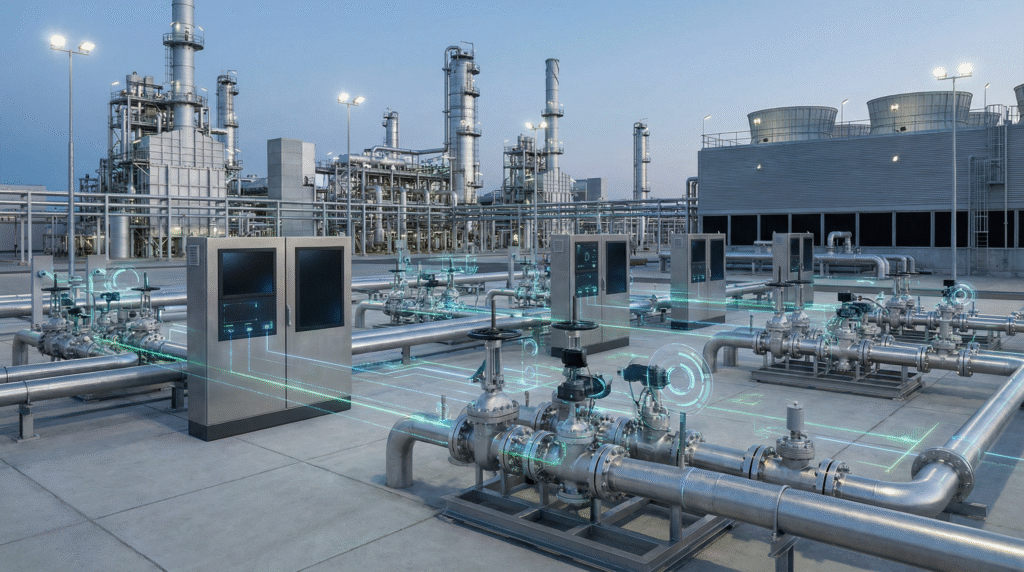
In the demanding world of oil and gas, standard, off-the-shelf parts don’t always make the cut. Operations run in some of the planet’s most extreme conditions, from scorching desert heat to the crushing pressures of the deep sea. When a critical component fails, the entire production chain can grind to a halt, costing millions in downtime. This is where the power of custom manufacturing comes into play. It offers a precise, reliable and often faster alternative to waiting on long OEM lead times or struggling with parts that just aren’t built for the job.
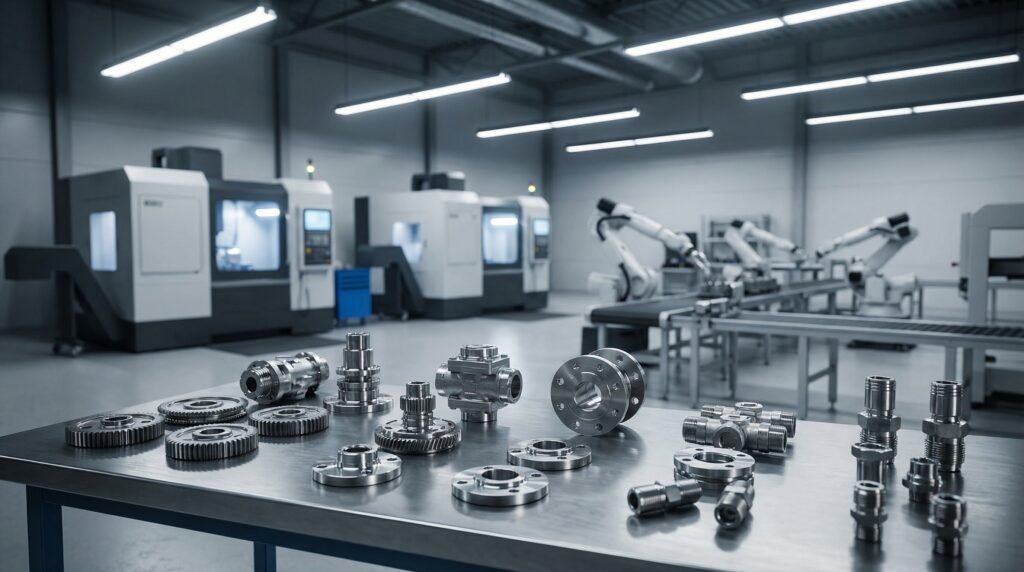
Instead of searching for a one-size-fits-all solution, companies are turning to specialized partners who can fabricate parts tailored to their exact needs. Custom manufacturing for the oil and gas industry isn’t just about creating a replacement; it’s about engineering a better, more resilient component. Whether you need a part with enhanced material strength to combat corrosion or a unique design for a legacy piece of equipment, custom fabrication provides the flexibility to solve complex operational challenges and keep your projects moving forward.
Solving the Problem of Obsolete and Hard-to-Find Parts
One of the most persistent headaches for maintenance managers is dealing with aging infrastructure. As equipment gets older, original manufacturers may discontinue parts or even go out of business entirely. This leaves you in a difficult position: do you undertake a costly and disruptive overhaul of the entire system or do you find another way to source the specific gear, valve or fitting you need? This is a common scenario where custom manufacturing becomes an operational lifesaver.
By leveraging advanced techniques like reverse engineering and 3D scanning, a skilled manufacturing partner can accurately replicate an obsolete part. More than just a copy, this process allows for improvements. You can choose modern, superior alloys that offer better resistance to wear and environmental factors, effectively upgrading your machinery while keeping the rest of the system intact. This approach extends the life of valuable assets and transforms a potential crisis into an opportunity for enhancement, a key benefit of custom manufacturing for the oil and gas industry.
Enhancing Durability with Superior Materials and Design
Standard components are designed for a broad range of applications, which means they are rarely optimized for the unique stresses of a specific oil and gas operation. A part that works perfectly in a temperate climate might fail prematurely in a high-sulfur or saline environment. Custom manufacturing gives you direct control over the materials and design specifications allowing you to build parts that are purpose-built to survive and thrive in their intended environment.
This means you can specify high-performance alloys like Inconel or specialized stainless steels known for their corrosion resistance and strength at extreme temperatures. Furthermore, you can work with engineers to refine the design itself. Perhaps a slight modification to a valve’s internal geometry could improve flow and reduce wear or adding reinforcement to a structural component could prevent a known failure point. This level of targeted engineering ensures maximum durability and reliability.
Accelerating Timelines and Reducing Operational Downtime
In the oil and gas sector, time is money a lot of it. When a critical piece of equipment fails, every hour of downtime translates into significant lost revenue. Waiting weeks or even months for an OEM part to ship from overseas is often not a viable option. Custom manufacturing, especially when sourced from a proficient partner in a strategic location like the UAE offers a powerful solution to this logistical bottleneck.
Local or regional fabrication shops can dramatically shorten lead times. They can prioritize your order and move from design to finished product in a fraction of the time it takes for a standard part to navigate a complex global supply chain. This rapid response capability is crucial for emergency repairs and minimizing non-productive time. By having a reliable custom manufacturing for the oil and gas industry partner, you can get your operations back online faster and maintain production schedules.
Precision Engineering for Safety and Compliance
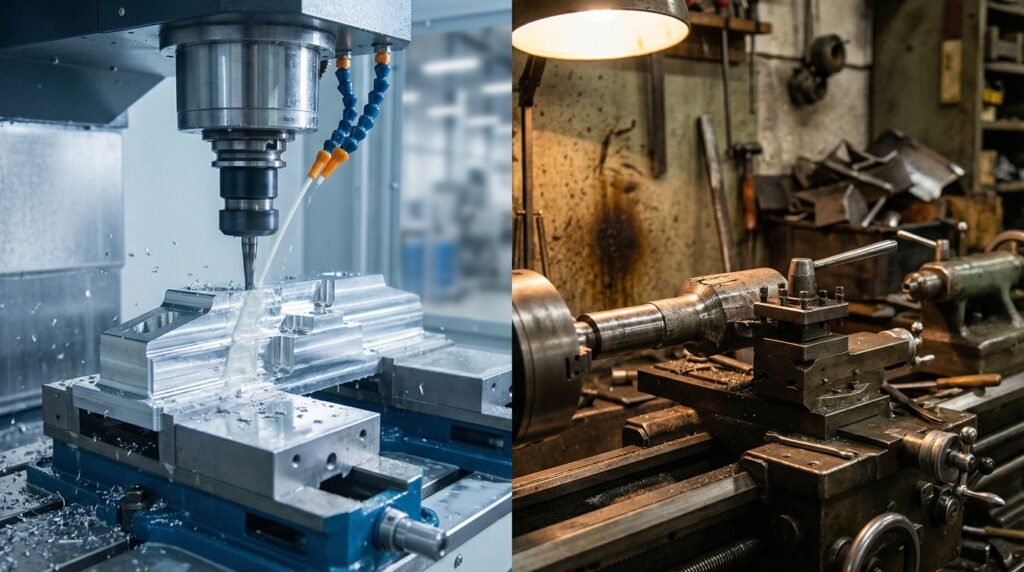
There is no room for error in the oil and gas industry. A component failure can have catastrophic consequences for personnel, the environment, and the company’s reputation. This is why precision is non-negotiable. Custom manufacturing relies on state-of-the-art CNC (Computer Numerical Control) machining and stringent quality control protocols to ensure every part is made to exact tolerances.
Adherence to international standards like ISO 9001 is a hallmark of a trustworthy manufacturing partner. This certification guarantees that every step of the process, from material verification to final inspection, is documented and meets the highest quality benchmarks. For operators, this means receiving parts that fit perfectly, perform reliably and comply with strict industry safety regulations. This commitment to precision provides the peace of mind needed to run a safe and efficient operation.
Conclusion
In an industry defined by high stakes and harsh conditions, custom manufacturing for the oil and gas industry provides a critical strategic advantage. It empowers companies to move beyond the limitations of standard parts offering tailored solutions that enhance durability, reduce downtime and ensure safety. By partnering with a skilled manufacturer, you can solve challenges related to obsolete equipment, accelerate repair timelines and upgrade your machinery with components built to last.
Ultimately, custom fabrication is about control. It gives you control over the materials, the design and the timeline ensuring you get the exact part you need, right when you need it. For any operator focused on optimizing performance and building a more resilient operation embracing custom manufacturing is not just an option it’s a necessity for future success.
FAQs
How does custom manufacturing compare to using OEM parts?
Custom manufacturing often provides parts that are equal to or superior to OEM components. It allows for the use of advanced materials and design modifications to address specific operational weaknesses, whereas OEM parts are mass-produced to a standard specification that may not be optimal for your unique environment.
Is custom manufacturing more expensive than sourcing standard parts?
While the upfront cost of a single custom part might be higher than a mass-produced one, it often delivers a lower total cost of ownership. The enhanced durability and performance lead to a longer service life reduced maintenance needs and less downtime, providing significant long-term savings.
What is the typical lead time for a custom-manufactured part?
Lead times vary depending on the complexity of the part, material availability, and the manufacturer’s current schedule. However, working with a local or regional partner for custom manufacturing for the oil and gas industry can significantly reduce shipping and logistical delays often resulting in much faster delivery compared to global OEM suppliers.
How can I be sure a custom part will meet safety standards?
Reputable custom manufacturers operate under strict quality management systems such as ISO 9001. They use precision measurement tools, conduct non-destructive testing and provide material traceability reports to certify that every part meets or exceeds industry safety and quality standards.
What information is needed to start a custom manufacturing project?
To begin, you typically need either the original part for reverse engineering detailed technical drawings, or a CAD file. You should also provide information about the operating environment (pressure, temperature, corrosive elements) and any known failure modes so engineers can recommend the best materials and design improvements.