
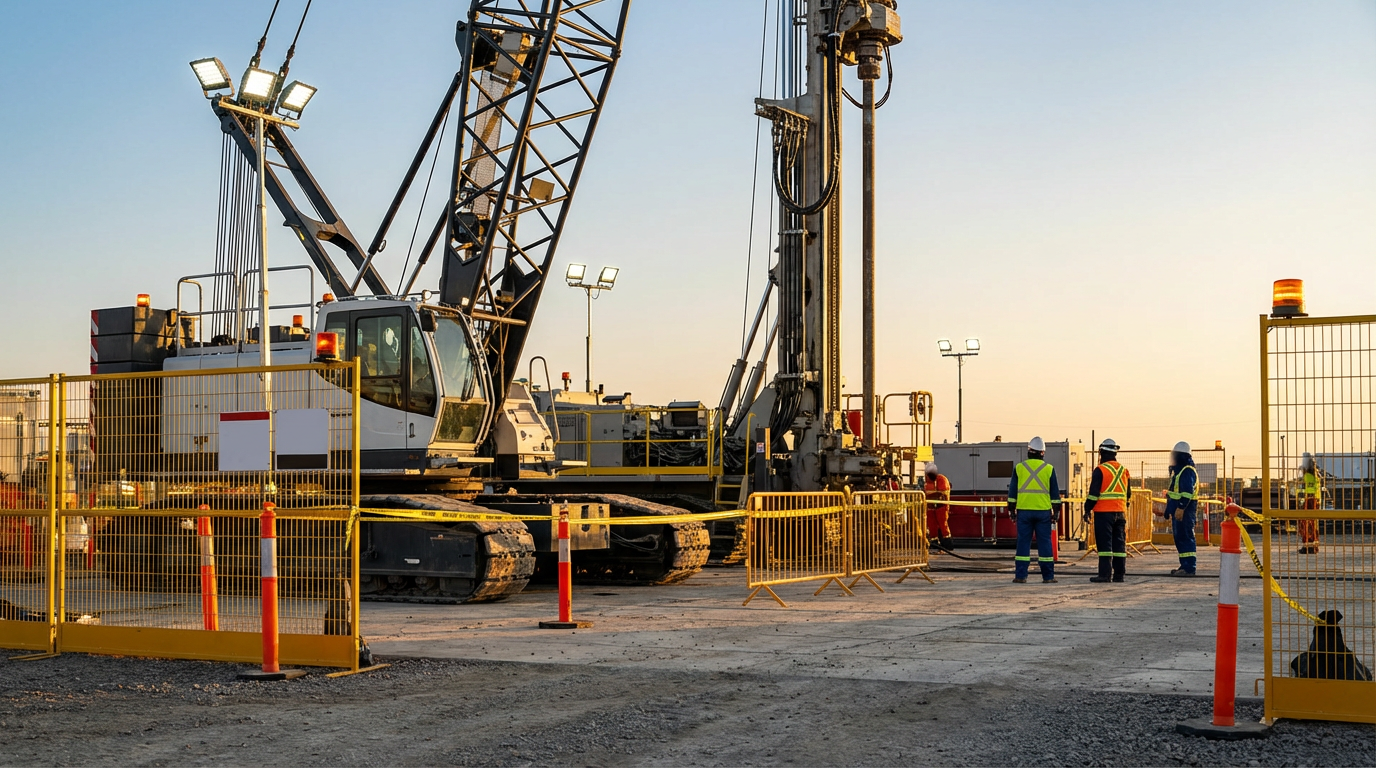
Oil and gas operations take place in some of the most hazardous environments on the planet offshore platforms, high-pressure drilling sites, refineries, deserts and extreme weather zones. In these conditions, equipment failure is not just costly; it can be dangerous. That is why heavy equipment manufacturers must follow highly specialized design processes to ensure safety, durability, and reliability. At Genesis, designing equipment for hazardous oil and gas environments means combining advanced engineering, strict standards and real-world operational insight.
Understanding the Challenges of Hazardous Oil & Gas Environments
Before the design process begins, manufacturers must understand the unique risks associated with oil and gas operations. These environments often involve flammable gases, extreme temperatures, corrosive chemicals, high pressures and continuous heavy loads. Equipment must operate reliably under constant stress while minimizing the risk of leaks, sparks or mechanical failure.
Genesis begins every project by analyzing the operating environment, usage conditions and safety requirements. This ensures that each piece of equipment is engineered specifically for the challenges it will face in the field.
Engineering for Extreme Conditions
Heavy equipment used in oil and gas projects must withstand conditions far beyond standard industrial use. Manufacturers design equipment with reinforced structures, thicker load-bearing components and high-strength welds to handle vibration, pressure and impact.
Advanced engineering tools such as 3D modeling and stress simulations are used to predict how equipment will behave under extreme conditions. At Genesis, these simulations help identify weak points early, allowing engineers to optimize designs before manufacturing begins. This proactive approach greatly reduces the risk of failure in hazardous environments.
Selecting High-Performance and Corrosion-Resistant Materials
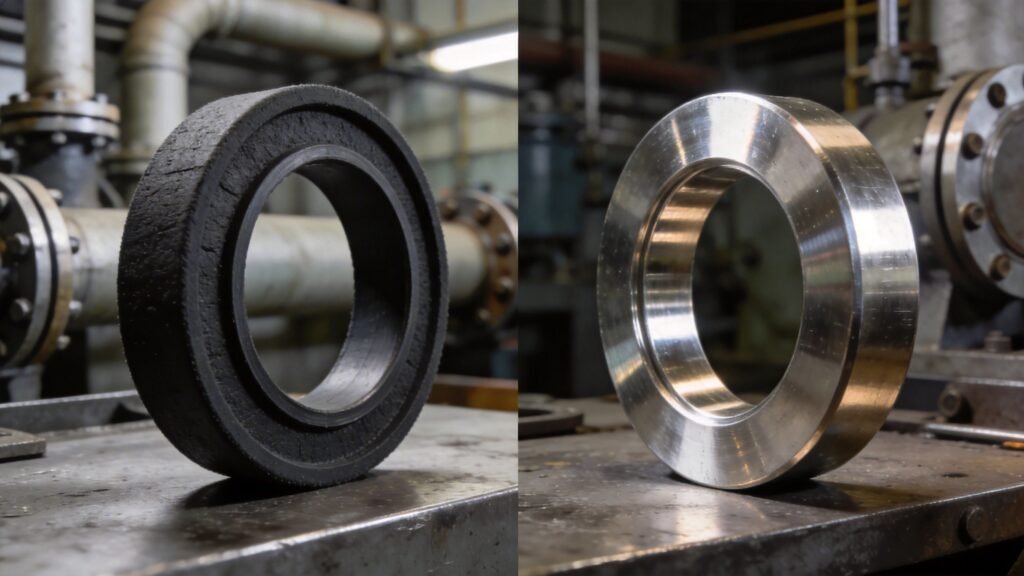
Material selection is one of the most critical aspects of designing equipment for oil and gas environments. Exposure to moisture, saltwater, chemicals and high temperatures can quickly degrade standard materials.
Genesis uses certified, high-performance alloys and industrial-grade steels designed to resist corrosion, heat, and fatigue. Protective coatings and surface treatments are also applied to extend equipment lifespan and maintain safety. Using the right materials ensures structural integrity even in offshore, desert or chemical-heavy environments.
Designing for Explosion and Fire Safety
In oil and gas operations, the risk of fire and explosion is always present. Heavy equipment must be designed to minimize ignition sources and contain potential hazards. Manufacturers incorporate explosion-proof components, sealed electrical systems and pressure relief mechanisms to prevent catastrophic events.
Genesis designs equipment with safety features such as enclosed systems, controlled ventilation and fail-safe mechanisms that automatically shut down operations during abnormal conditions. These design choices help protect personnel, facilities and the surrounding environment.
Compliance With Industry Safety Standards
Designing heavy equipment for hazardous environments requires strict adherence to international safety standards. These include ISO certifications, API standards and other oil and gas regulatory requirements. Compliance ensures that equipment meets global benchmarks for safety, reliability and performance.
Genesis follows internationally recognized standards throughout the design and manufacturing process. This not only ensures regulatory compliance but also builds trust with oil and gas operators who rely on proven, certified equipment for critical operations.
Integrating Smart and Safety-Driven Technologies
Modern oil and gas equipment design increasingly includes smart technologies that enhance safety and operational control. Sensors, monitoring systems, and automated controls allow operators to detect issues before they become serious hazards.
Genesis integrates advanced monitoring capabilities into its heavy equipment designs enabling real-time performance tracking and early fault detection. These technologies reduce human error, improve response times and enhance overall operational safety in hazardous environments.
Designing for Ease of Maintenance and Inspection
In hazardous oil and gas settings, equipment maintenance must be efficient and safe. Poor accessibility can increase downtime and expose workers to unnecessary risks. Manufacturers design equipment with maintenance in mind ensuring easy access to critical components and clear inspection points.
Genesis prioritizes user-friendly design features that allow faster inspections, safer servicing and reduced operational disruptions. This approach helps maintain long-term safety while improving equipment reliability and efficiency.
Rigorous Testing Before Deployment
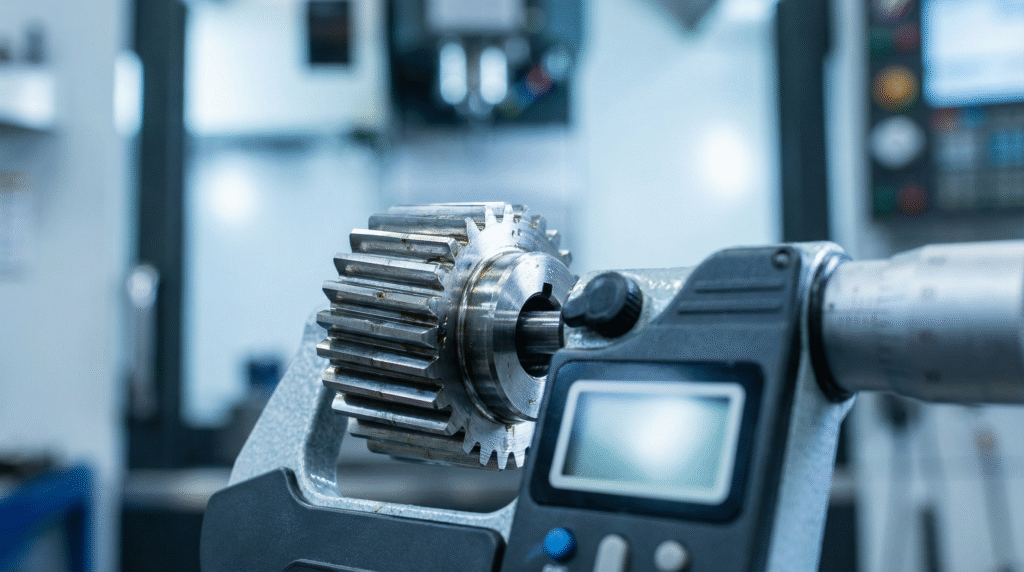
Before heavy equipment is approved for use, it must undergo extensive testing. Load testing, pressure testing and non-destructive testing ensure that the design performs as expected under extreme conditions.
At Genesis, testing is an integral part of the design validation process. Equipment is evaluated against real-world operating scenarios to confirm safety, durability and compliance. Only after meeting strict quality benchmarks is equipment released for deployment in oil and gas projects.
Continuous Design Improvement Based on Field Feedback
Hazardous environments evolve and so do safety expectations. Leading manufacturers continuously improve designs based on operational feedback, technological advancements and regulatory updates.
Genesis values client feedback and field performance data to refine future designs. This commitment to continuous improvement ensures that equipment remains safe, efficient and aligned with the evolving needs of the oil and gas industry.
Conclusion
Designing heavy equipment for hazardous oil and gas environments requires more than standard engineering. It demands deep industry knowledge, advanced design tools, high-quality materials, strict safety standards and continuous innovation. Genesis approaches equipment design with safety at the core ensuring reliable performance even in the most challenging conditions. By combining engineering excellence with real-world insight, Genesis delivers heavy equipment solutions that protect people, operations and investments across the oil and gas sector.