
Summary:
This blog explores the latest strategies and technologies driving improved efficiency in the oil and gas industry. You’ll learn about the challenges of operational downtime, the advantages of custom manufacturing, the importance of supply chain resilience and how precision engineering and innovation are transforming sector operations. Whether you’re looking for practical solutions or insights into future trends, this guide covers everything you need to enhance productivity and maintain reliability in your oil and gas projects.
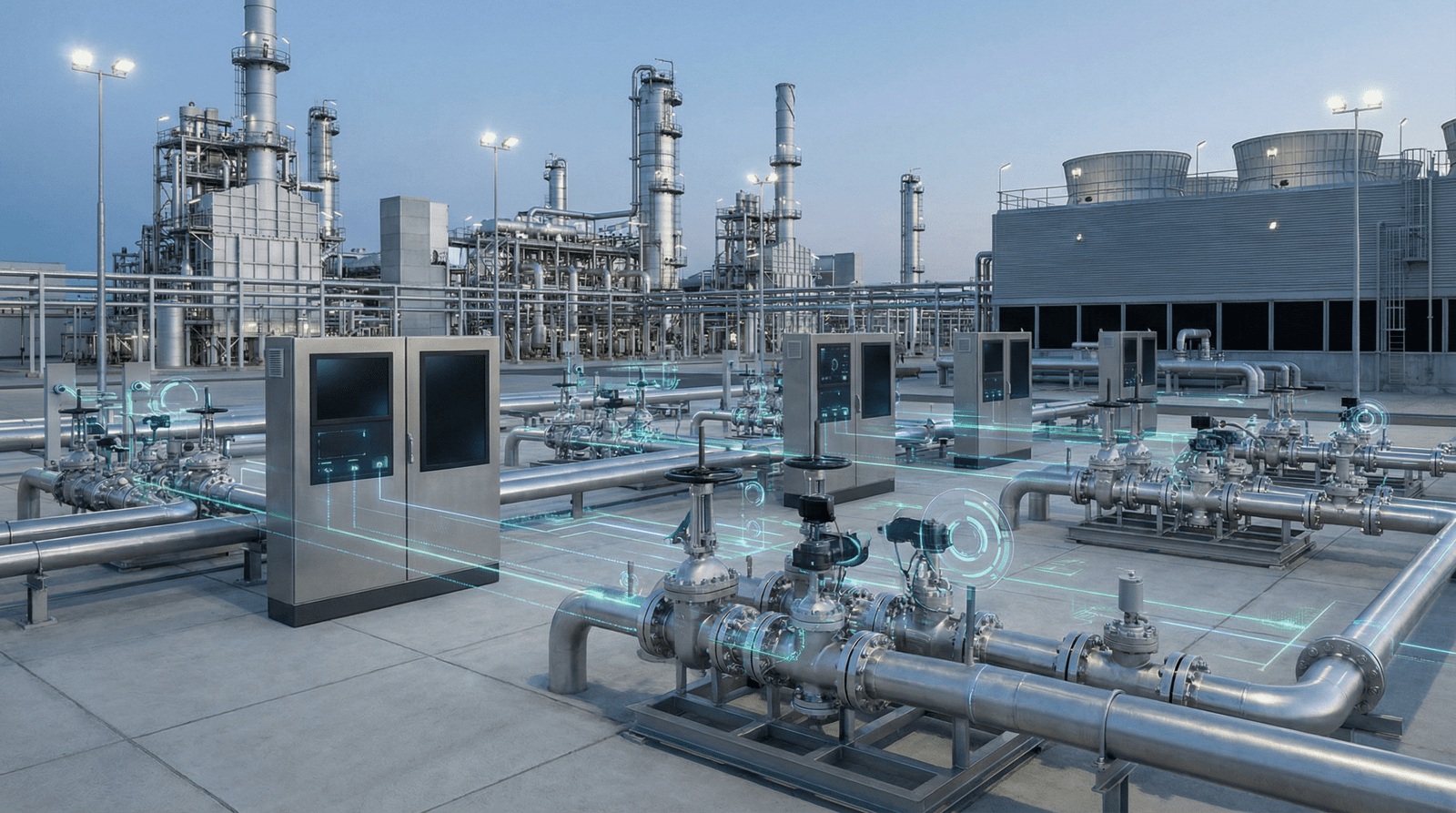
If you work in the energy sector, you know that downtime isn’t just an inconvenience, it’s a massive financial drain. Whether you are managing an offshore rig or overseeing a refinery, the pressure to maintain continuous operation is intense. In this high-stakes environment, finding reliable oil and gas industry solutions is the difference between a profitable quarter and a logistical nightmare. It’s not just about fixing what breaks; it’s about implementing systems and sourcing parts that prevent breakage in the first place.
We are seeing a major shift in how the industry approaches maintenance and procurement. Gone are the days when you could rely solely on standard off-the-shelf components. Today, the focus is on precision, speed and adaptability. By leveraging advanced manufacturing and strategic sourcing companies can extend the lifespan of their equipment and ensure safety compliance. This post will walk you through the most effective strategies available today helping you keep your operations running smoothly and safely.
The Challenge of Operational Downtime
Operational downtime is the silent killer of profitability in the energy sector. When a critical pump fails or a valve leaks, production stops, but the overhead costs keep running. The harsh environments typical of this industry extreme heat, pressure and corrosive elements mean that equipment wear and tear is accelerated. This reality forces operators to constantly seek out more durable and resilient components that can withstand these punishing conditions without faltering.
To combat this, proactive maintenance strategies are becoming the standard. Instead of waiting for a failure to occur, forward-thinking managers are investing in high-quality replacement parts that meet or exceed OEM specifications. This shift toward preventative care relies heavily on robust oil and gas industry solutions that prioritize material quality and precise engineering. By anticipating needs and having a reliable supply chain for critical spares, you can significantly reduce the window of non-productive time.
Custom Manufacturing as a Strategic Advantage
One of the biggest hurdles operators face is dealing with obsolete equipment or long lead times for OEM parts. This is where custom manufacturing steps in as a game-changer. When a specific part is no longer available from the original manufacturer or when the standard part just isn’t holding up to the job, custom fabrication allows you to create exactly what you need. It provides the flexibility to modify designs for better performance or to use superior materials that offer longer service life.
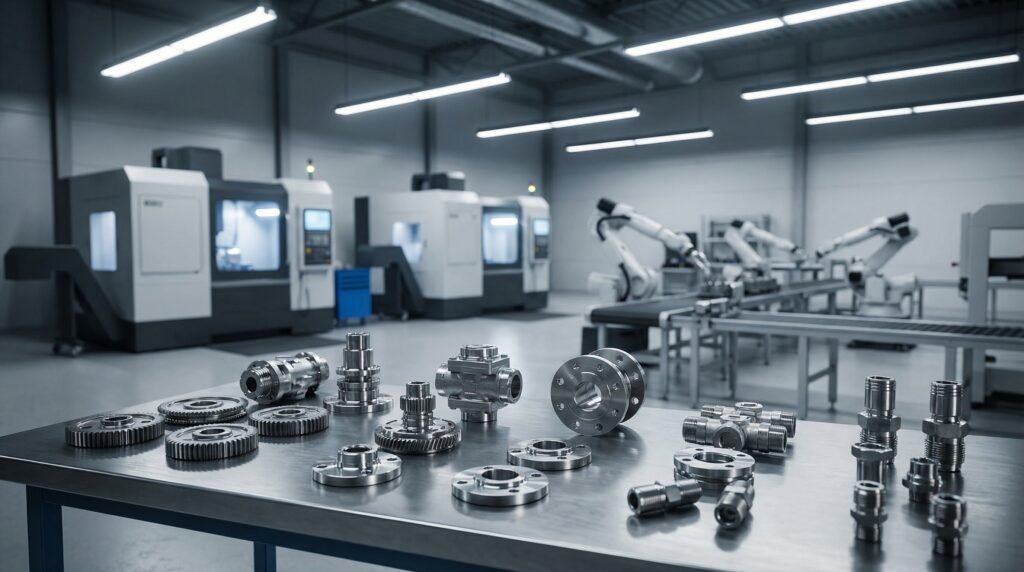
Furthermore, custom manufacturing offers a level of precision that mass production sometimes lacks. Working with a partner who understands the intricacies of the energy sector means you get components machined to exact tolerances. This precision ensures that replacement parts fit the first time perfectly, eliminating the frustration of on-site modifications. It empowers you to maintain your equipment’s integrity without being held hostage by global supply chain delays or discontinued product lines.
Strengthening Supply Chain Resilience
Recent global events have taught us that supply chains are more fragile than we previously thought. For the oil and gas sector, a delayed shipment can mean millions in lost revenue. Building resilience into your supply chain involves diversifying your sources and working with partners who have a proven track record of equipment sourcing. It is about having a network that can deliver essential machinery and tools exactly when and where they are needed, regardless of geographical challenges.
Effective oil and gas industry solutions now heavily emphasize this logistical capability. It isn’t enough to make a good product; the provider must be able to navigate complex import/export regulations and logistics to get that product to a remote site. By partnering with suppliers who combine manufacturing capabilities with strong sourcing networks, you gain a safety net. You ensure that your operations aren’t paralyzed by a missing gasket or a specialized drill bit keeping your projects on schedule.
The Role of Precision Engineering and Quality Control
In an industry where safety is paramount, there is absolutely no room for error. A minor imperfection in a high-pressure valve can lead to catastrophic failure, endangering both personnel and the environment. This is why precision engineering is the backbone of reliable energy operations. It involves rigorous adherence to standards like ISO 9001 ensuring that every cut, weld and polish meets strict quality criteria.
Quality control goes beyond just the final inspection; it is embedded in every step of the manufacturing process. From raw material selection to the final coating, every phase is scrutinized. For operators, this means the peace of mind that comes from knowing your equipment has been tested and verified. Trusting in high-caliber engineering reduces the risk of accidents and ensures that your facility remains compliant with increasingly strict environmental and safety regulations.
Embracing Innovation and Technology
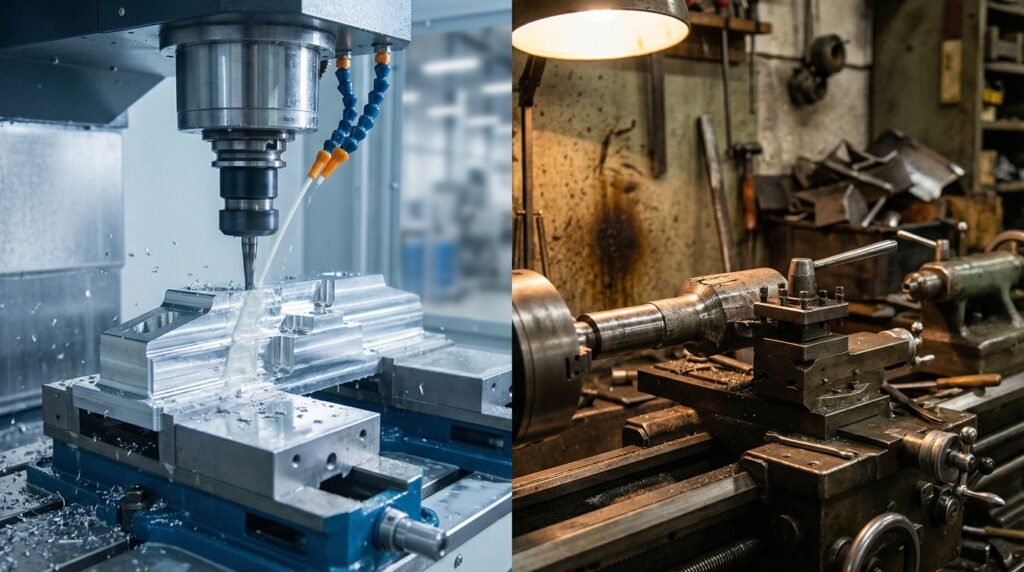
The energy sector is often viewed as traditional, but it is actually a hotbed for technological innovation. Advanced CNC machining and computer-aided design (CAD) have revolutionized how parts are made. These technologies allow for complex geometries and rapid prototyping that were impossible a decade ago. It means that if you have a unique problem, engineers can model and manufacture a unique solution in record time.
Embracing these innovations allows for smarter, more efficient operations. For instance, modern manufacturing techniques can produce lighter yet stronger components, improving the efficiency of drilling equipment. By integrating these technological advancements into your maintenance strategy, you aren’t just repairing your assets; you are upgrading them. This continuous improvement cycle is vital for staying competitive in a market that demands higher output with lower costs.
Conclusion
Navigating the complexities of the energy sector requires more than just hard work; it requires smart partnerships and strategic foresight. The right oil and gas industry solutions can transform your operations from reactive to proactive, ensuring that you are always a step ahead of potential failures. By focusing on custom manufacturing, supply chain resilience and precision engineering, you can secure the reliability your projects demand.
As we look to the future, the integration of quality and speed will only become more critical. Whether you are sourcing a hard-to-find valve or commissioning a run of custom gears, the goal remains the same: safety, efficiency and continuity. Prioritize partners who understand these stakes and you will build an operation that is resilient enough to weather any storm the market or the elements throws your way.
FAQs
What are the most critical oil and gas industry solutions for reducing downtime?
The most critical solutions involve a combination of preventative maintenance and rapid access to spare parts. Custom manufacturing plays a vital role here allowing operators to source precision-engineered replacement components quickly, even for obsolete equipment ensuring that machinery is back online without extended delays.
How does custom manufacturing support oil and gas operations?
Custom manufacturing supports operations by providing tailored components that meet specific site requirements. Unlike mass-produced parts, custom solutions can be engineered with specialized materials to withstand harsh environments offering better durability and performance than standard OEM parts.
Why is local sourcing important for the oil and gas industry?
Local sourcing reduces lead times and logistical complexities. By working with regional manufacturing partners, energy companies can bypass global shipping delays ensuring that critical oil and gas industry solutions and equipment are delivered promptly to the site, which is essential for maintaining continuous production.
What certifications should I look for in a manufacturing partner?
You should prioritize partners with ISO 9001 certification. This standard ensures that the manufacturer adheres to strict quality management principles. In the high-risk environment of oil and gas, this certification serves as a guarantee that the parts you receive are safe, reliable and manufactured to consistent standards.
Can custom parts really match the quality of OEM components?
Yes and often they exceed it. Skilled manufacturers utilize advanced CNC technology and high-grade materials to reverse-engineer and improve upon original designs. This usually results in components that are more robust and better suited to the specific wear-and-tear conditions of your operation.