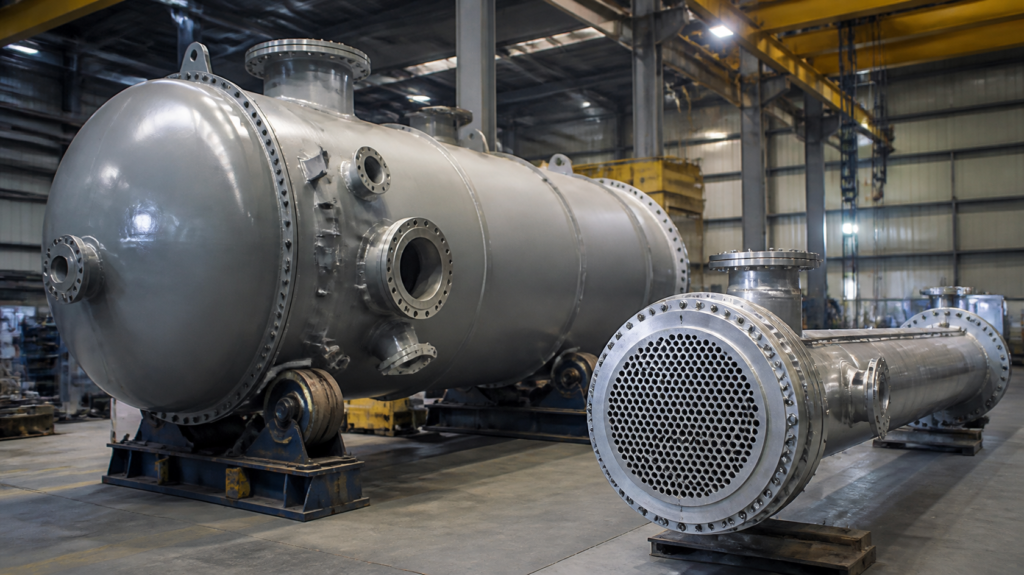

Pressure vessels, heat exchangers, pumps, compressors, process skids, and control systems are built to your requirements, not picked from a catalog. That makes sourcing engineered equipment far more complex than ordinary procurement. A vague specification, an unvetted vendor or a skipped inspection can add months to a project.
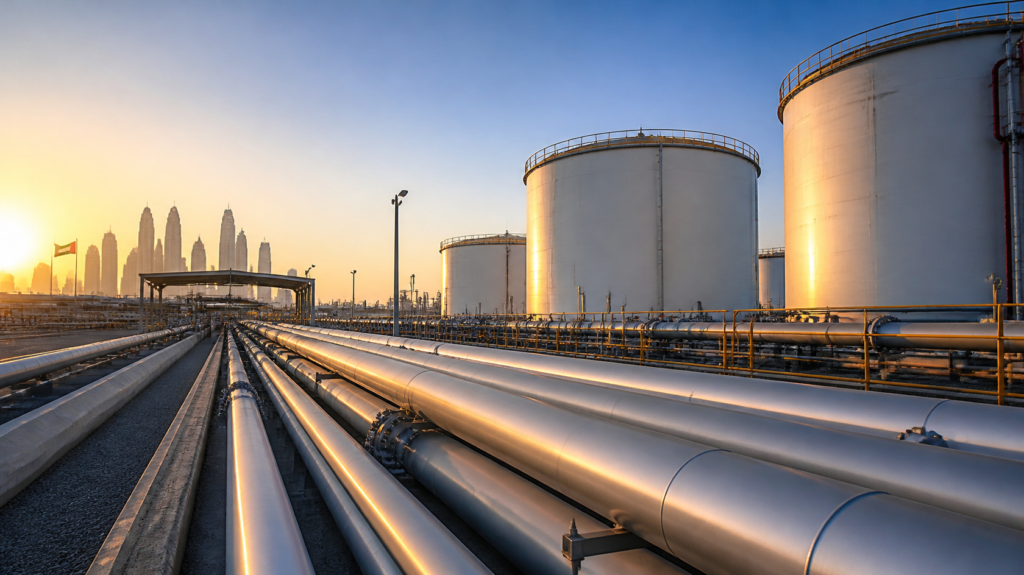
For oil and gas, petrochemical, and industrial projects across the UAE and the wider MENA region, effective sourcing often determines whether a project starts up on schedule. Here is how to manage the process from first specification to final commissioning.
01Define clear technical requirements
Every successful purchase starts with a complete specification. Prepare detailed datasheets covering:
- Operating conditions: pressure, temperature, flow rates, and the fluids handled
- Materials of construction suited to the service, including corrosive or sour environments
- Performance guarantees the equipment must meet
- Codes and standards, such as ASME, API, IEC or ISO
- Vendor documentation: drawings, calculations, test certificates, manuals and spare parts lists
Vague specifications are a leading cause of cost overruns and disputes. Time spent here saves far more time later.
02Prequalify your vendors
Not every fabricator can build every piece of equipment. Build an approved vendor list for each equipment category, and assess each candidate on:
- Manufacturing capability and shop capacity
- Track record on similar projects
- Quality certifications, such as ISO 9001, API monograms, or the ASME U-stamp
- Financial stability
- Current workload, which affects delivery
For critical items, visit the vendor’s facility. Capability on paper doesn’t always match the shop floor. Aim for at least three qualified bidders per package to keep the bidding competitive.
03Run a structured bid process
Issue a complete request for quotation (RFQ) with specifications, commercial terms, delivery requirements, and evaluation criteria. Hold clarification meetings so every bidder prices the same scope.
Evaluate bids in two stages:
Stage 1 · Technical evaluation
Compliance with specifications, listed deviations, and design quality
Stage 2 · Commercial evaluation
Price, payment terms, delivery schedule and warranty
Compare total cost of ownership, not purchase price alone. A cheaper unit with high maintenance costs or poor parts availability often costs more over its life.
04Negotiate strong contract terms
Your purchase order should protect both your schedule and your investment.
- Tie payments to progress milestones such as drawing approval, material receipt, factory acceptance testing, and delivery.
- Secure any advance payments with bank guarantees.
- Include liquidated damages for late delivery and penalties for missed performance guarantees.
- Agree a clear warranty period and, where appropriate, a performance bond.
- Order commissioning spares and recommended operating spares together with the main equipment.
05Plan for long lead times
Large compressors, pressure vessels and specialized rotating equipment can take 6 to 18 months to manufacture. Identify long-lead items early and place orders as soon as specifications are firm.
Watch sub-suppliers closely too. Forgings, special alloys, motors and instrumentation are frequent bottlenecks. Where needed, reserve production slots or pre-order key materials.
06Control vendor documents
Track every vendor drawing and document in a register with review deadlines. Approve general arrangement drawings, design calculations, and material specifications before fabrication starts. Slow approvals on the buyer’s side often cause delays, and vendors will rightly point to them when schedules slip.
07Expedite and inspect
Hold regular progress meetings and request monthly progress reports. Agree an inspection and test plan (ITP) with defined hold and witness points.
For critical equipment, use third-party inspection to verify:
Material certificates and traceability
Welding procedures and welder qualifications
Non-destructive testing (NDT)
Hydrostatic and pressure tests
Factory acceptance testing (FAT)
Never release equipment for shipment until inspection is complete and all non-conformances are closed. Fixing a defect in the factory costs a fraction of fixing it on site.
08Plan logistics and delivery
Engineered equipment is often heavy, oversized, or sensitive. Plan packing, preservation, transport routes, port clearance and site storage early. Define Incoterms clearly in the contract, so responsibility for risk, freight and insurance is never in doubt.
09Close out properly
Ensure the vendor supports installation, commissioning, and performance testing. Collect the final documentation package, including as-built drawings, operating manuals and certificates. Then score each vendor’s performance and update your approved vendor list so every project is easier than the last.
Where to start
Most sourcing problems trace back to three areas:
Get those right, and you prevent most delays, disputes, and equipment failures.
Genesis-MFG
Source with confidence through Genesis-MFG
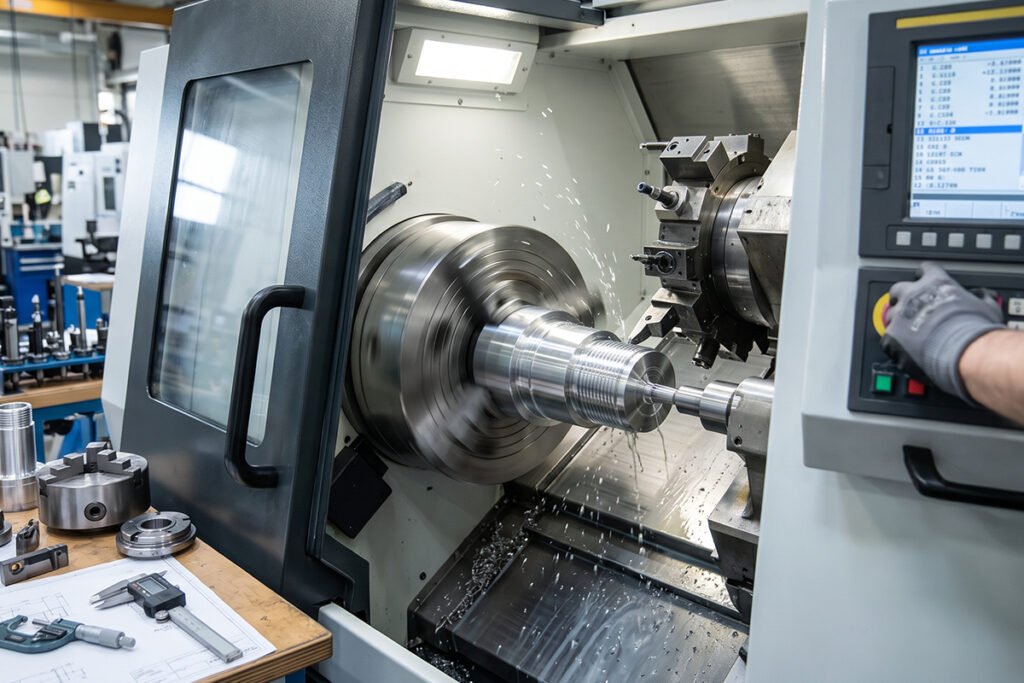
Sourcing engineered equipment takes time, technical knowledge, and a trusted supplier network. Genesis-MFG’s equipment sourcing service draws on a global supply chain to deliver quality equipment and spare parts for oil and gas and industrial operations. When off-the-shelf options won’t do, our ISO 9001-certified team in Hamriyah Free Zone, Sharjah, can produce custom precision components to your exact specifications.
Planning your next equipment purchase?
Contact our team for a quote