
For manufacturers, oil products are more than a line item. Diesel powers generators and forklifts, furnace oil fires boilers, and lubricants keep every shop-floor machine running. When supply falters, production stops, deadlines slip, and costs climb fast.
In the UAE, industrial operations often run around the clock, and supply chains stretch across global shipping routes. A reliable oil supply takes planning, not luck. Here is a practical strategy to protect your operation.
01Start with a clear picture of your demand
You can’t secure what you haven’t measured. Begin by mapping every oil product your facility uses:
Fuels
Diesel, furnace oil, LPG or kerosene for power, heating and transport
Lubricants
Hydraulic oils, gear oils, greases and cutting fluids
Process inputs
Solvents, base oils or petrochemical feedstocks
For each product, record monthly volumes, technical specifications, and seasonal peaks. Then rank them by criticality.
Ask one simple question: if this product ran out tomorrow, how long could production continue? The answer tells you where to focus first.
02Never rely on a single supplier
Single-source supply is one of the most common causes of disruption. One refinery shutdown, one delayed shipment, or one commercial dispute can halt production.
- Qualify at least two or three suppliers for every critical product.
- Mix major marketers with independent distributors.
- Source from different terminals or origins, so one outage doesn’t affect every supplier at once.
- Keep backup suppliers active with small, regular orders. A supplier who knows your account will answer the phone when markets tighten.
03Build contracts that protect continuity
A well-structured contract does more than set a price. It defines how your supply behaves under pressure.
Blend term and spot buying. Cover 70–80% of base volume with term contracts and buy the balance on the spot market for flexibility.
Secure committed volumes
And priority allocation during shortages.
Set delivery service levels
With clear penalties for missed deliveries.
Specify quality standards
And testing requirements.
Define force majeure carefully
So it covers genuine emergencies rather than routine inconvenience.
04Manage price volatility
Oil prices can swing sharply on geopolitical news, shipping disruptions, or production decisions. To keep budgets predictable, consider fixed-price agreements for part of your volume or price caps. Larger consumers may also use hedging tools such as futures and swaps.
Hedging carries its own risks, so work with a qualified commodity risk advisor before using these instruments.
05Hold the right amount of buffer stock
Inventory is your insurance policy against disruption.
Size safety stock to cover supplier lead time plus a disruption margin. Many manufacturers hold 15 to 30 days of consumption for critical products.
- Explore consignment stock or vendor-managed inventory to keep product on site without tying up working capital.
- Rotate stock on a first-in, first-out basis. Diesel degrades over time, especially in high temperatures, and lubricants have shelf lives.
Storage only works if the equipment behind it is sound. Tanks, pumps, valves, gaskets and seals must be fit for purpose and properly maintained. A leaking flange or a failed transfer pump can make a full tank useless.
06Secure your logistics
Product at the terminal is worthless if it can’t reach your gate. Line up backup transport contractors and schedule deliveries with buffer time. Plan for peak periods, public holidays, and known refinery maintenance shutdowns.
07Control quality at every delivery
Off-spec or contaminated product is a supply failure in disguise. Require a certificate of analysis with every delivery, and test key parameters on receipt, such as density, water content and flash point.
Contaminated fuel or lubricant can damage engines, burners and hydraulic systems, causing breakdowns that cost far more than the product itself.
08Treat suppliers as partners
When supply tightens, suppliers prioritize the customers they trust. Share your consumption forecasts, pay on time and hold regular performance reviews. Reliable customers get served first.
09Reduce your exposure over time
The most secure barrel is the one you don’t need. Improve energy efficiency across your plant, and consider dual-fuel equipment or switching to natural gas or electricity where practical. Re-refined lubricants are another option where specifications allow.
10Have a contingency plan ready
Write down what happens when supply fails: who to call, which backup sources to activate, which production lines take priority, and when to start drawing down safety stock.
A one-page plan agreed in advance beats a scramble in the middle of a crisis.
Where to start
If you are building your strategy from scratch, focus on three steps first:
Together, they remove most of the risk of an unplanned shutdown.
Genesis-MFG
How Genesis-MFG supports reliable operations
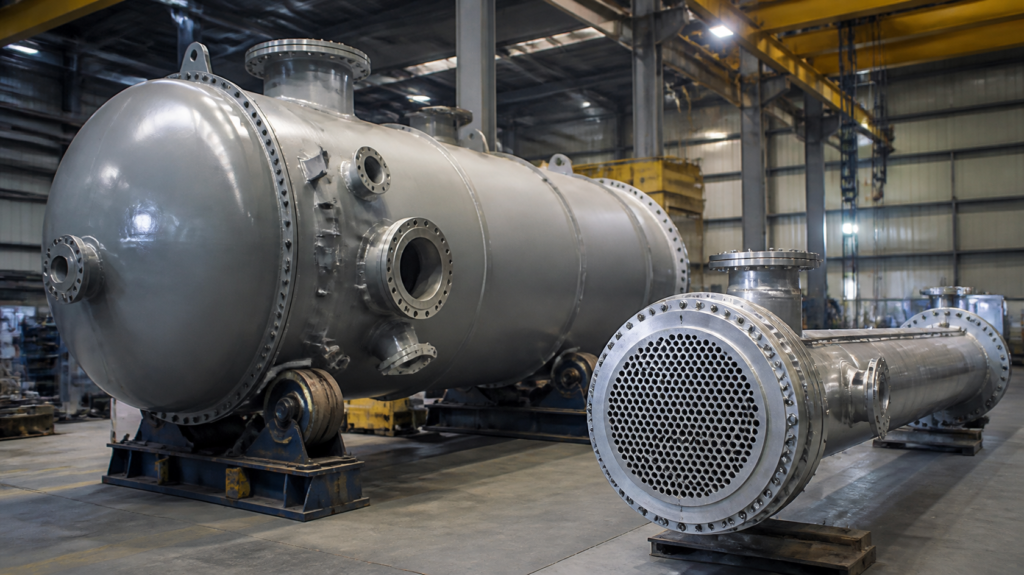
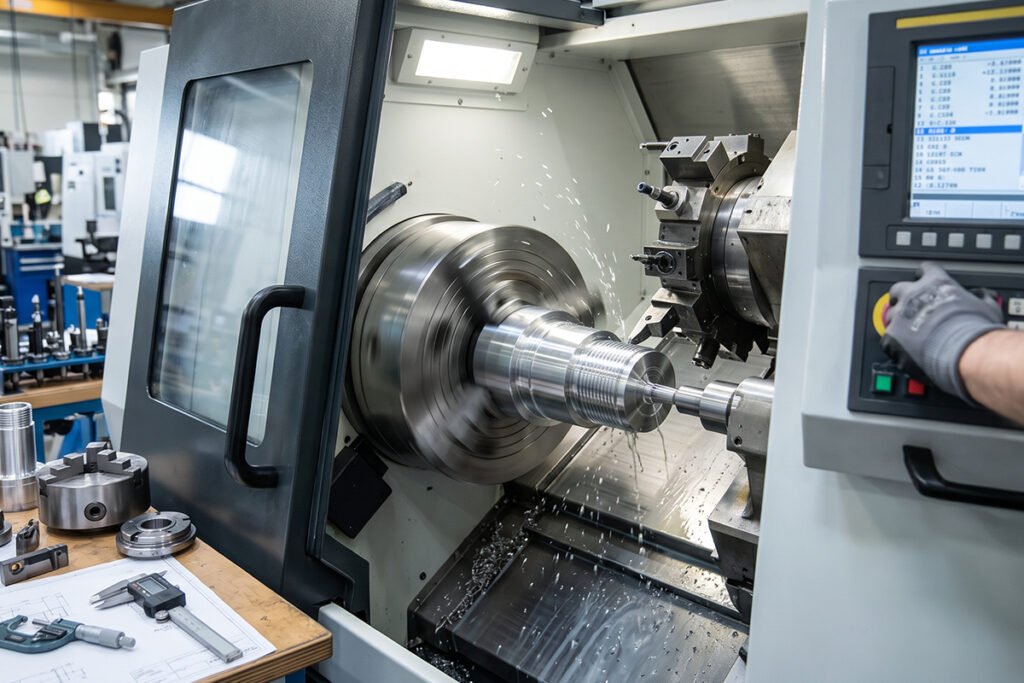
A secure oil supply depends on the equipment that stores, transfers, and uses it. From our ISO 9001-certified facility in Hamriyah Free Zone, Sharjah, Genesis-MFG supports manufacturers and oil and gas operators with custom precision manufacturing of replacement parts and components, and equipment sourcing through a global supply network. When a critical part fails, we help you get back up and running quickly.
Need dependable parts or equipment for your operation?
Contact our team to discuss your requirements